This post contains affiliate links.
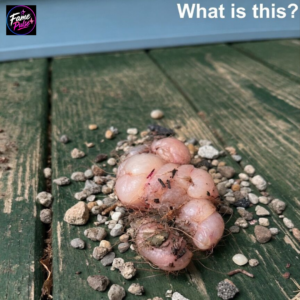
This morning, a routine step onto the porch turned into a spine-tingling discovery that would send shivers down anyone’s back. Half-buried beneath a loose wooden plank, a strange, pale pink, glistening mass lay disturbingly alive. My mind immediately raced through every horrifying possibility – a parasitic infestation, alien eggs, or something far worse. The initial shock and fear were overwhelming, transforming the familiar comfort of my home into a scene from a horror movie. But as I would soon learn, the truth behind this unsettling find was far more common, and surprisingly, completely harmless. This article delves into the mystery of what lurks beneath our homes, offering insights into identifying these unsettling creatures and understanding their role in the ecosystem, all while maximizing your understanding of garden pests and their impact.
The Unsettling Discovery: A Glimpse into the Unknown
My heart pounded as I stared at the swollen, fleshy mass. Every instinct screamed to retreat, to pretend I hadn’t seen it. Yet, a powerful mix of fear and curiosity compelled me closer. With a shaky hand, I snapped a photo and sent it to my brother, hoping for a quick, reassuring laugh. His reply,
“What on earth is THAT?” shattered any remaining comfort. The harmless silence of the backyard transformed into a menacing presence, and I imagined hundreds more of these grotesque forms crawling beneath the floorboards.
Unmasking the Mystery: From Terror to Truth
Desperate for answers, I spent the next half-hour frantically searching online, comparing my unsettling discovery to every horrifying image the internet offered: beetle larvae, spider eggs, fungal growths, parasites. Each search result seemed worse than the last, fueling my growing panic. Then, buried deep within an old gardening forum, a photo perfectly matched my find: large beetle grubs.
The Surprising Reality of Subterranean Life
It turns out, the damp soil beneath old porches and decks creates an ideal environment for these grubs to gather in clusters. These creatures, often the larvae of various beetle species like June bugs or Japanese beetles, are a common sight in many gardens and yards. While their appearance can be alarming, they are generally harmless to humans and structures. Their primary diet consists of decaying organic matter and plant roots, making them a natural, albeit sometimes unwelcome, part of the subterranean ecosystem
.
Understanding the Beetle Life Cycle: A Complete Metamorphosis
Beetles undergo a complete metamorphosis, a fascinating four-stage life cycle: egg, larva, pupa, and adult
. The grubs we often encounter are the larval stage, characterized by their C-shaped, milky-white bodies and brownish heads. This stage is crucial for their development, as they feed and grow, storing energy for their transformation into adult beetles. The duration of the larval stage can vary significantly depending on the beetle species and environmental conditions, ranging from a few weeks to several years.
Conclusion: The Unseen World Beneath Our Feet
The initial terror of discovering the “strange thing” under the porch quickly dissolved into relief and a newfound fascination. What appeared to be a nightmare creature was, in reality, a common and harmless part of the natural world – large beetle grubs. This experience highlights how our perception can be dramatically altered by a lack of understanding. The unseen world beneath our feet is teeming with life, often terrifying only when we don’t comprehend what we are seeing. By taking the time to identify and understand these creatures, we can transform fear into fascination and appreciate the intricate balance of nature, even in our own backyards.