This post contains affiliate links.
In July 2013, 12-year-old Kali Hardig went swimming at Willow Springs Water Park in Little Rock, Arkansas. It seemed like a normal summer day, but soon after, Kali became very sick. Doctors discovered she had been infected by a rare amoeba called Naegleria fowleri, often called the “brain-eating amoeba.”
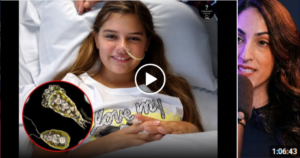
The amoeba entered her body through her nose while she was swimming. It travelled to her brain and began damaging brain cells. At the time, almost everyone infected with it had died. Between 1962 and 2012, only two people in the United States had survived the infection.
Kali’s family and doctors refused to give up hope. She was rushed into intensive care, placed on a ventilator, and treated with powerful medicines. Doctors also used an experimental drug called miltefosine. The medicine had originally been developed for bre@st cancer, and the Centers for Disease Control and Prevention quickly sent it from Atlanta to help save her life.
For weeks, Kali remained in critical condition while doctors carefully watched for signs of improvement. Slowly, the treatment began to work. Tests finally showed that the amoeba was gone.
Although Kali survived, her recovery was long. She needed rehabilitation to help her regain strength and learn to speak normally again. Over time, she improved and returned to a normal life.
Years later, Kali spoke about her experience and encouraged people to be careful in warm freshwater. She now promotes water safety and advises swimmers to wear nose plugs to help prevent
infections. Read Full Article