This post contains affiliate links.
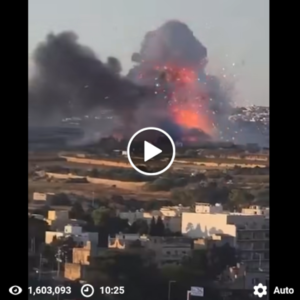
In a significant escalation of regional tensions, Israeli forces have executed a deep ground incursion into southern Lebanon, culminating in the capture of the historic Beaufort Castle. This operation, unfolding between May 31 and June 2, 2026, marks Israel’s most substantial ground advance in over two decades, triggering widespread international concern and immediate geopolitical repercussions. The military action has been accompanied by intense airstrikes on Lebanese towns, raising questions about the immediate humanitarian impact and the broader implications for stability in the volatile Middle East.
The Strategic Seizure of Beaufort Castle
Between May 31 and June 1, 2026, Israeli Defense Forces (IDF) launched a meticulously planned operation to seize Beaufort Castle, a 900-year-old Crusader fortress strategically positioned overlooking the Litani River and southern Lebanon. This ancient stronghold, which has seen centuries of conflict, now serves as a symbol of the renewed intensity of the Israeli-Lebanese conflict. Footage widely circulated shows Israeli troops raising their flag over the castle, signaling a clear assertion of control in a region historically contested.
The capture of Beaufort Castle is not merely a symbolic victory; its elevated position provides a critical vantage point for surveillance and control over key routes in southern Lebanon. This strategic move is intended to disrupt Hezbollah’s operational capabilities and establish a new forward presence for Israeli forces. The incursion represents a calculated risk, as it pushes deeper into Lebanese territory than any Israeli ground operation in the last 25 years, inevitably drawing strong reactions from regional and international actors.
Humanitarian Impact: Strikes on Tyre and Nabatieh
The military operation has not been confined to ground maneuvers. Intense Israeli airstrikes have targeted various locations in southern Lebanon, including the cities of Tyre and Nabatieh. On June 1-2, 2026, a strike near the Jabal Amel University Hospital in Tyre caused extensive damage to its facilities, including wards, medical equipment, the intensive care unit, and the radiology department. Such attacks on civilian infrastructure, particularly medical facilities, have drawn sharp condemnation from humanitarian organizations.
Reports indicate a severe human cost, with at least 18 people, including four children, killed in a Monday strike, and over 60 wounded. Further strikes in Nabatieh and surrounding areas have reportedly claimed at least five more lives. These figures underscore the devastating impact of the conflict on civilian populations, highlighting the urgent need for de-escalation and protection of non-combatants. The targeting of areas near hospitals raises serious concerns about adherence to international humanitarian law and the protection of medical neutrality during armed conflict.
Geopolitical Fallout: A Rift Between Allies
Adding another layer of complexity to the unfolding crisis is the apparent divergence in strategy between the United States and Israel. U.S. President Donald Trump reportedly urged Israeli Prime Minister Benjamin Netanyahu to “turn his troops around” and refrain from attacking Beirut, signaling a desire to prevent further escalation. However, Netanyahu’s public statements indicate a resolve to continue the operations “as planned,” suggesting a potential rift in the traditionally strong alliance.
This diplomatic tension comes amidst broader regional instability. Hezbollah, a powerful Lebanese political party and militant group, has reportedly defied ceasefire talks by launching rockets towards northern Israel. Concurrently, Iran has suspended negotiations, citing the ongoing Israeli operations as a reason. These developments paint a picture of a region on the brink, where military actions and diplomatic maneuvers are intricately linked, and the potential for wider conflict remains a significant concern.
Expert Analysis and Future Outlook
Analysts are closely monitoring the situation, noting that the capture of Beaufort Castle provides Israel with significant strategic leverage but also carries the risk of further entangling the conflict. The ongoing exchanges of fire and the breakdown of ceasefire efforts suggest a prolonged period of instability. Experts emphasize the importance of restraint and adherence to international law to prevent a full-scale regional war. The international community is calling for immediate de-escalation and a return to diplomatic solutions to address the underlying issues driving the conflict.
Additional SEO Assets
SEO Meta Title: Israel’s Lebanon Incursion: Beaufort Castle Seized Amidst Rising Tensions
SEO Meta Description: Israeli forces capture strategic Beaufort Castle in southern Lebanon, sparking regional outcry and humanitarian concerns. Explore the latest on the escalating conflict.
URL Slug: israel-lebanon-incursion-beaufort-castle-seized
Focus Keyword: Israeli military operation Lebanon June 2026
10 LSI Keywords:
- Southern Lebanon conflict
- Hezbollah rockets Israel
- Beaufort Castle capture
- Tyre hospital strike
- Nabatieh airstrikes
- Israel-Lebanon border tensions
- Middle East geopolitical crisis
- Netanyahu Trump rift
- Humanitarian impact Lebanon
- Regional stability Middle East
Conclusion
The recent Israeli military operation in southern Lebanon, marked by the capture of Beaufort Castle and devastating airstrikes, signifies a critical juncture in the ongoing regional conflict. The strategic gains for Israel come at a high humanitarian cost and have ignited a complex diplomatic challenge, particularly with the United States. As the situation remains fluid, the international community watches closely, hoping for a de-escalation that prioritizes civilian safety and long-term stability over immediate military objectives. The events of early June 2026 underscore the persistent fragility of peace in the Middle East and the urgent need for concerted efforts towards a lasting resolution.
References Section:
- DW. (2026, June 2). Israel seizes strategic castle in Lebanon in deep incursion. https://www.dw.com/en/israel-seizes-strategic-castle-in-lebanon-in-deep-incursion/video-77366946
- The New York Times. (2026, June 2). Iran War Live Updates: Israel Strikes Southern Lebanon. https://www.nytimes.com/live/2026/06/02/world/iran-war-trump-israel-lebanon
- Al Jazeera. (2026, June 2). Iran war live: Tehran ponders US peace deal; Lebanon-Israel talks underway. https://www.aljazeera.com/news/liveblog/2026/6/2/iran-war-live-trump-talks-to-hezbollah-israel-as-lebanon-fighting-surges
- CBC News. (2026, June 2). Why the seizing of Lebanon’s Beaufort Castle handed Iran leverage. https://www.cbc.ca/news/world/israel-lebanon-beaufort-castle-hezbollah-9.7219539
- Doctors Without Borders. (2026, June 2). South Lebanon: Israeli airstrike near MSF-supported hospital. https://www.doctorswithoutborders.org/latest/south-lebanon-israeli-airstrike-near-msf-supported-hospital