This post contains affiliate links.
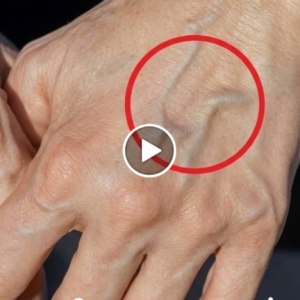
Are you looking down at your hands and wondering if those prominent, bulging veins are a warning sign of something serious? Many people mistakenly believe that visible hand veins are an early indicator of kidney disease. However, medical research reveals a surprising reality about what your hands are actually trying to tell you. While the kidneys play a crucial role in filtering waste and managing fluid balance, the appearance of your veins is rarely connected to their function. In this comprehensive guide, we will explore the real science behind why hand veins become visible, how to distinguish normal vascular changes from genuine kidney disease symptoms, and when you should actually seek medical advice.
Understanding the Real Causes of Bulging Hand Veins
The sudden appearance of prominent veins on the back of your hands can be alarming, but clinical evidence suggests that this phenomenon is usually entirely benign. Rather than indicating internal organ failure, visible veins are typically the result of natural physiological changes or environmental factors.
The Role of Aging and Skin Structure
As we age, our bodies undergo significant structural changes that directly impact the visibility of our vascular system. According to dermatological research, the skin naturally loses collagen and elastin over time. Simultaneously, the layer of subcutaneous fat that cushions the back of the hands begins to thin. Without this protective padding, the veins are pushed closer to the surface of the skin, making them appear larger and more prominent. This is a normal part of the aging process and is not indicative of poor health.
Body Composition and Physical Activity
Your body fat percentage and activity levels are major contributors to vascularity. Individuals with low body fat naturally have less tissue covering their veins. Furthermore, intense physical exercise, particularly weightlifting, increases blood flow and causes blood vessels to expand. This temporary dilation, combined with low body fat, creates the bulging effect often seen in athletes. The Cleveland Clinic notes that this type of vascular prominence is harmless and simply a reflection of increased cardiovascular demand.
Genetics and Environmental Factors
Genetics play a substantial role in determining the size and visibility of your veins. If your parents have prominent hand veins, you are more likely to develop them as well. Additionally, environmental factors such as heat can cause veins to dilate as the body attempts to cool itself down. Dehydration can also make veins appear more pronounced, as the volume of blood plasma decreases, causing the blood to become more concentrated and the veins to stand out against the surrounding tissue.
Separating Fact from Fiction: Hand Veins vs. Kidney Disease
The misconception linking hand veins to kidney disease likely stems from a misunderstanding of how kidney failure affects the body. While it is true that severe kidney issues can manifest in the extremities, the symptoms look very different from simple bulging veins.
The Difference Between Vascularity and Edema
When the kidneys fail to filter waste and excess fluid effectively, the resulting fluid retention leads to a condition known as peripheral edema. The National Kidney Foundation explains that edema causes noticeable swelling, puffiness, and a feeling of heaviness in the hands, feet, and ankles. This swelling actually obscures the veins, making them harder to see, rather than causing them to bulge outward. Therefore, if your veins are highly visible and defined, it is highly unlikely that you are experiencing kidney-related fluid retention.
True Warning Signs of Kidney Problems
If you are concerned about your kidney health, it is essential to look for the actual symptoms of chronic kidney disease (CKD) rather than focusing on vein appearance. According to the Mayo Clinic, early warning signs include:
- Changes in Urination: Foamy, bubbly, or bloody urine, as well as changes in frequency.
- Persistent Fatigue: A profound lack of energy caused by the buildup of toxins in the blood.
- Unexplained Swelling: Edema in the face, hands, or lower extremities.
- Skin Issues: Severe itching or dry skin resulting from mineral and bone disease associated with advanced kidney failure.
- High Blood Pressure: Hypertension is both a cause and a complication of kidney disease.
The Specific Role of Veins in End-Stage Kidney Disease
There is one specific medical context where hand and arm veins become highly relevant to kidney patients, which may contribute to the public confusion. In cases of End-Stage Renal Disease (ESRD), patients require dialysis to perform the filtering work their kidneys can no longer manage.
To facilitate hemodialysis, surgeons often create a vascular access point, typically an arteriovenous (AV) fistula, in the patient’s arm. This procedure connects an artery directly to a vein, causing the vein to grow larger and stronger to handle the high blood flow required for the dialysis machine. While this does result in a very prominent, bulging vein, it is a surgically created lifeline, not a natural symptom of the disease itself.
When to Seek Medical Attention for Visible Veins
While prominent hand veins are generally harmless, there are specific scenarios where they warrant a medical evaluation. You should consult a healthcare professional if your visible veins are accompanied by:
- Pain, tenderness, or warmth along the vein.
- Redness or discoloration of the surrounding skin.
- Hard, rope-like lumps within the vein.
- Sudden, unexplained swelling in one hand or arm.
These symptoms could indicate localized vascular issues such as phlebitis (vein inflammation) or superficial thrombophlebitis (a blood clot in a surface vein), which require proper diagnosis and treatment.
Conclusion
The appearance of prominent veins on your hands is a common, natural occurrence driven by aging, body composition, genetics, and lifestyle factors. It is not a reliable indicator of kidney disease. True kidney issues manifest through systemic symptoms like fluid retention, severe fatigue, and changes in urinary habits. By understanding the real science behind vascular visibility, you can alleviate unnecessary anxiety and focus on the genuine markers of your overall health. If you ever have persistent concerns about your kidneys or your vascular system, the most effective course of action is to consult a healthcare provider for comprehensive testing and personalized advice.
SEO Assets
SEO Meta Title:
The Hidden Truth Behind Visible Hand Veins and Kidney Health
SEO Meta Description:
Discover the real science behind bulging hand veins. Learn why they appear, how they differ from true kidney disease symptoms like edema, and when to see a doctor.
URL Slug:
visible-hand-veins-kidney-health-connection
Focus Keyword:
visible hand veins and kidney health
LSI Keywords:
1.Bulging hand veins causes
2.Chronic kidney disease symptoms
3.Peripheral edema hands
4.Subcutaneous fat loss aging
5.Vascularity vs fluid retention
6.End-stage renal disease
7.Dialysis vascular access
8.Phlebitis symptoms
9.Signs of kidney failure
10.Hand swelling kidney issues
Internal Linking Suggestions:
1.The Early Warning Signs of Chronic Kidney Disease You Shouldn’t Ignore
2.Understanding Peripheral Edema: Causes, Symptoms, and Treatments
3.How Aging Affects Your Skin and Vascular System
4.The Connection Between High Blood Pressure and Kidney Health
5.What Your Hands Can Tell You About Your Overall Health
References:
1.Mayo Clinic: Chronic kidney disease – Symptoms and causes
2.National Kidney Foundation: Signs and Symptoms of Kidney Disease
3.Cleveland Clinic: Bulging Veins: Causes, Symptoms and Treatment
4.Healthline: Bulging Hand Veins: Causes and When to Seek Treatment
5.PMC: Vein morphometry in end-stage kidney disease